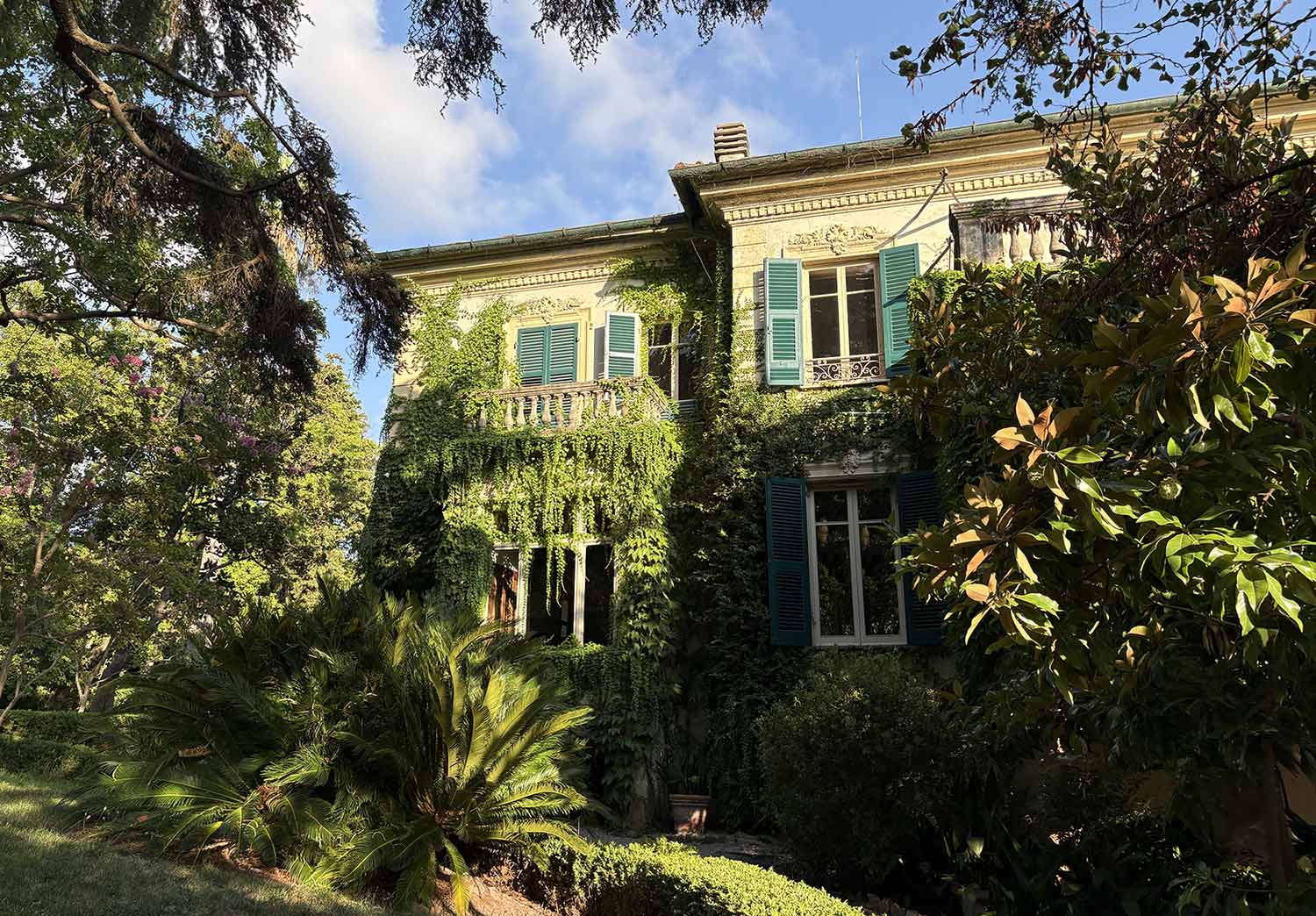
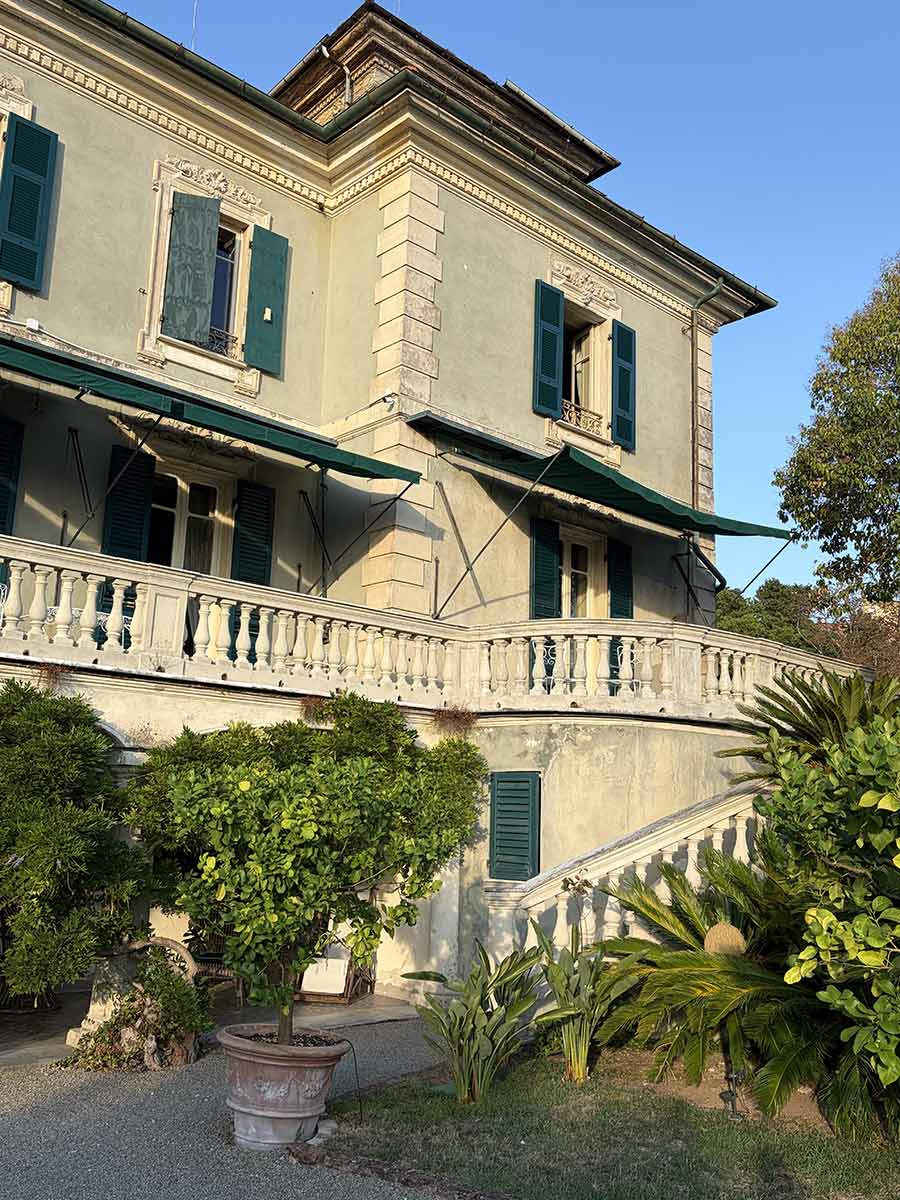
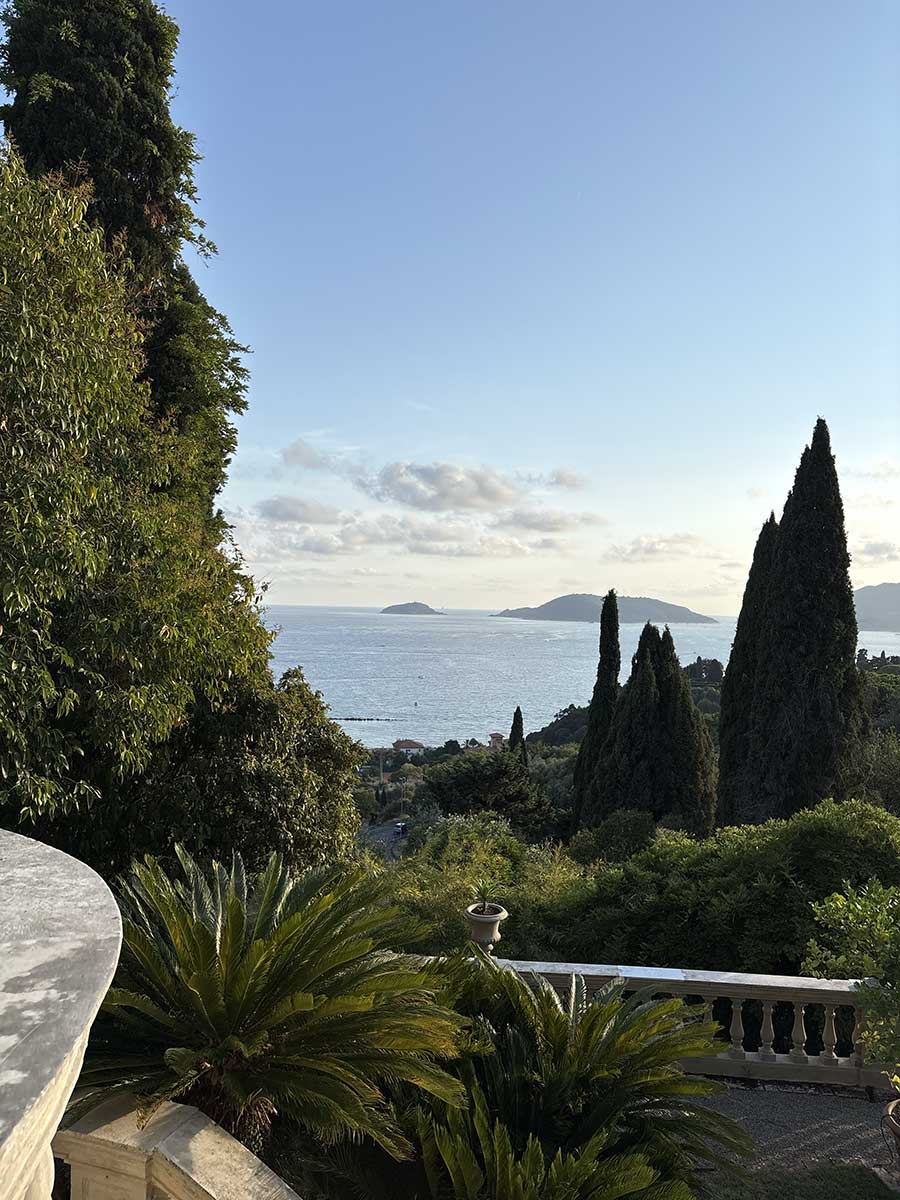
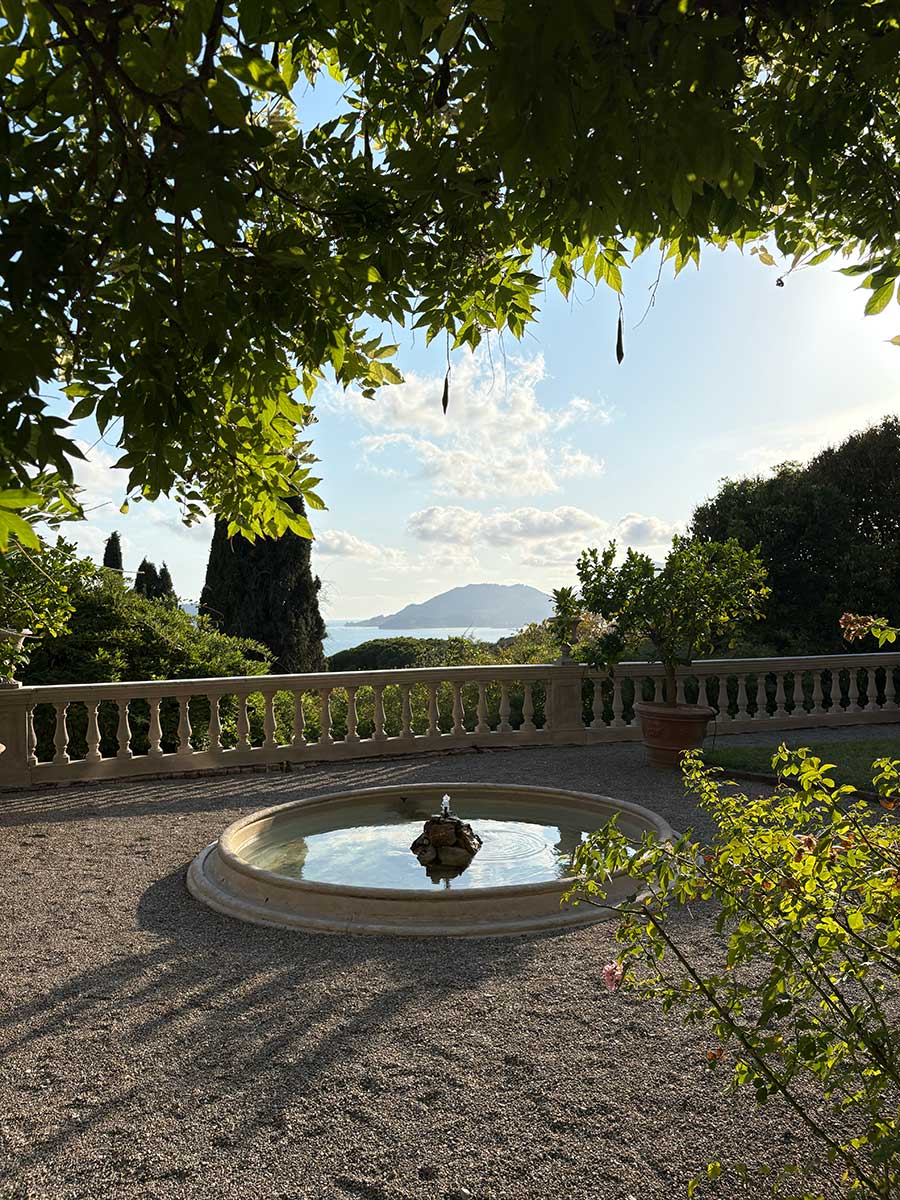
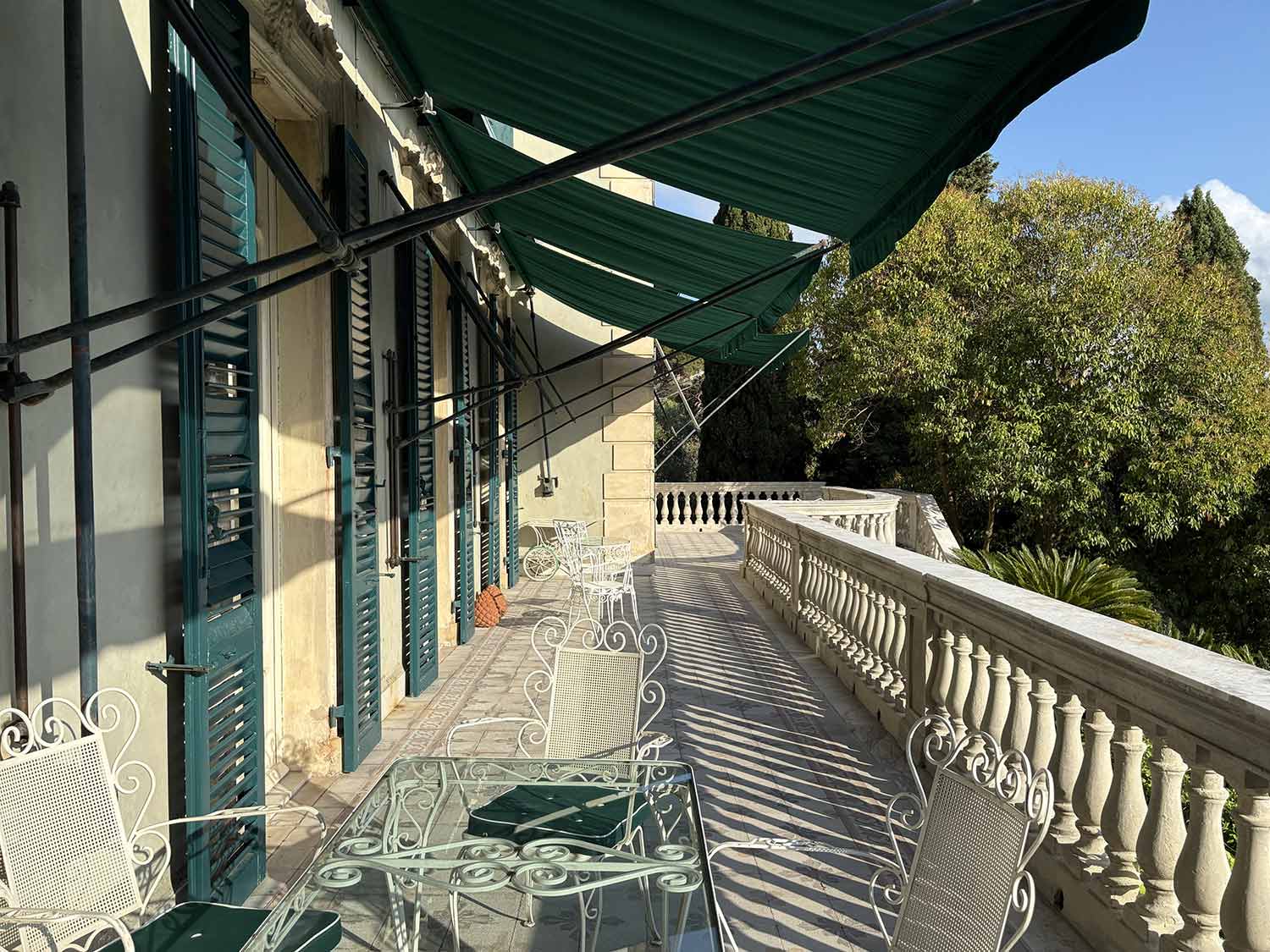
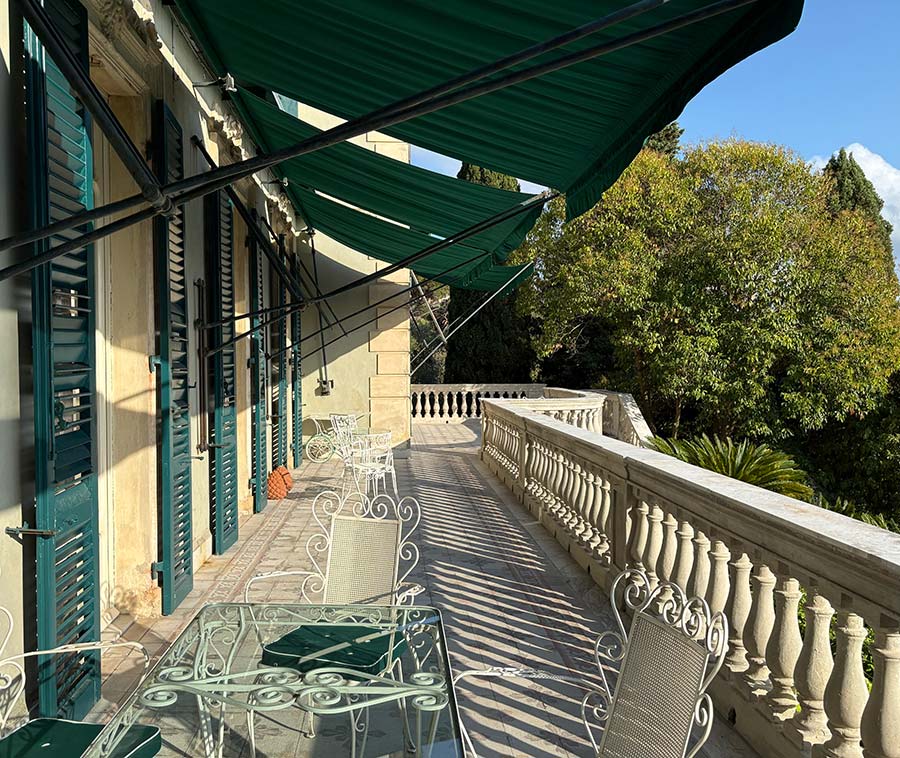
Perched above Lerici a small town on the Ligurian coast and almost hidden among cypress trees and lush vegetation, Villa Rezzola overlooks the Gulf of Poets. From its terraces, sweeping views extend across the bay, the hills of the Ligurian coastline and, in the distance, the islands of Palmaria and Tino.
Bequeathed to the FAI (Fondo Ambiente Italiano) in 2020, the villa captures the spirit of a bygone era, that of the early 20th century, when the Riviera was a favoured winter retreat for the British.
Records show that a residence has stood on this site for several centuries. Originally owned by the Botti family, members of the Ligurian nobility, the villa acquired much of its present character in 1900, when it was purchased by an English couple, Helen Lavinia and William Percy Cochrane. At the time, the Ligurian Riviera was home to a thriving British community.
Drawn by the mild climate and Mediterranean landscapes that had captivated travellers on the Grand Tour, Britons settled in considerable numbers along the coast, from the French Riviera to the Riviera di Ponente and the Gulf of La Spezia. A few decades earlier, Byron and Shelley had helped establish the romantic allure of this stretch of coastline. Indeed, it is to their presence, alongside that of numerous other writers and artists, that the bay owes its name, Golfo dei Poeti, or Gulf of Poets.
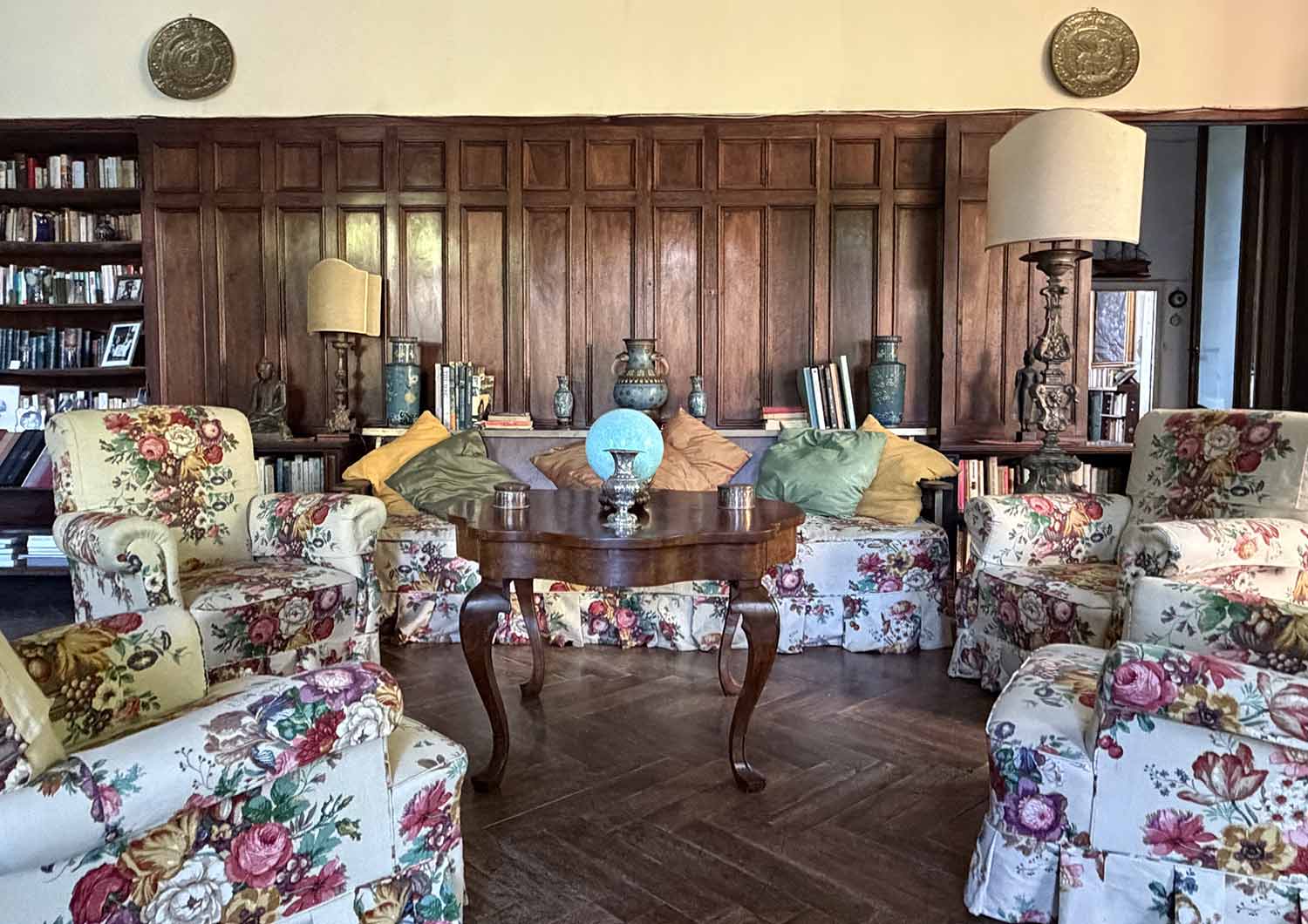
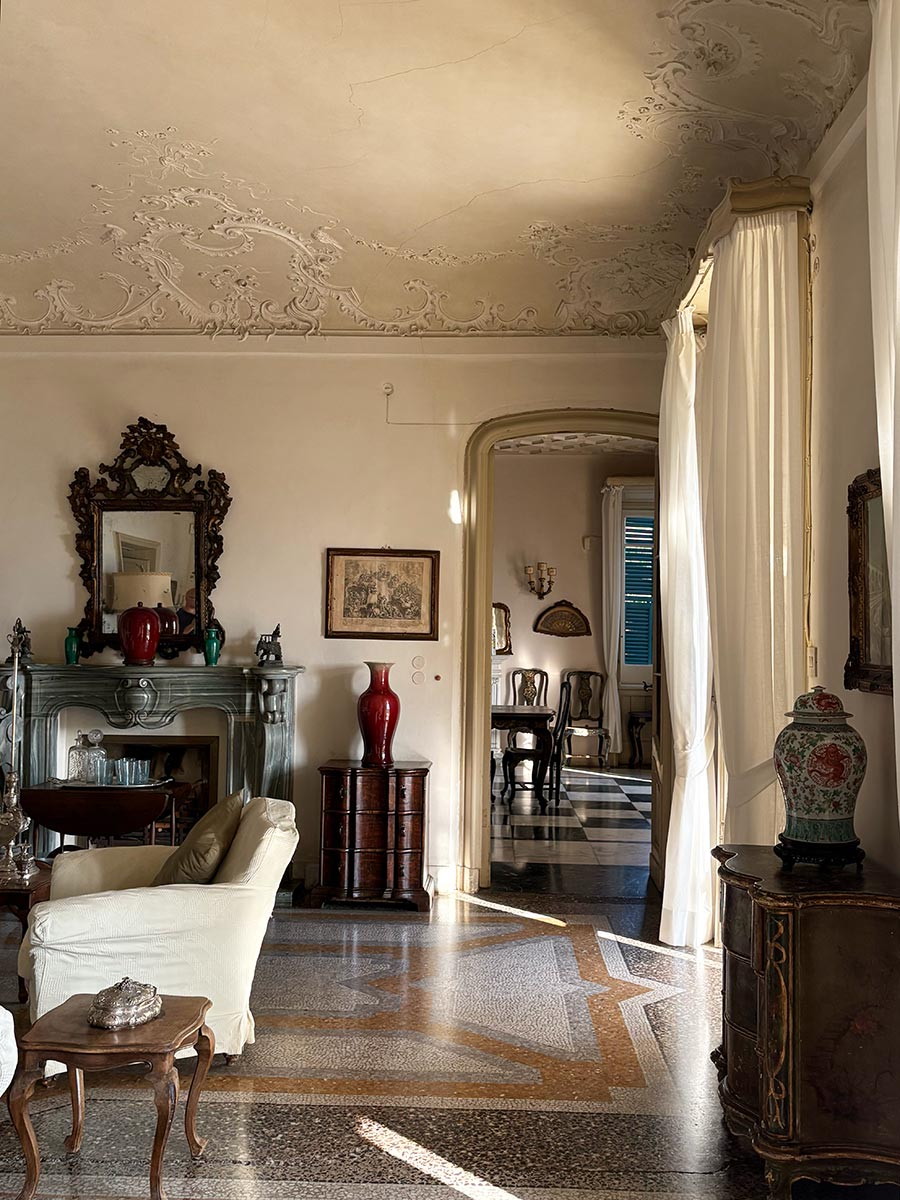
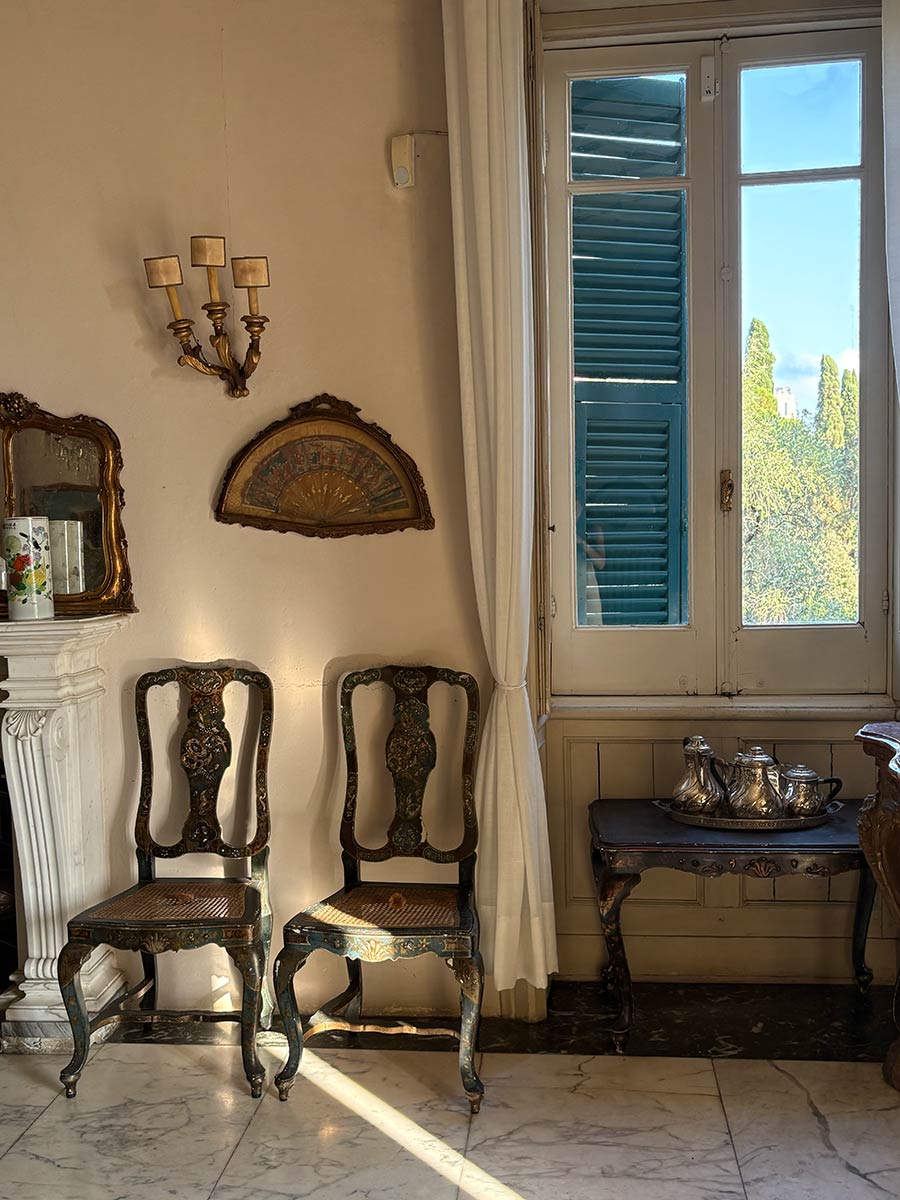
The Cochranes reshaped Villa Rezzola to suit their distinctly English way of life. Bay windows were added to the façade, interiors were fitted with wood panelling, and the house took on an intriguing dual identity: unmistakably Ligurian, yet distinctly British in many of its details.
When the Cochranes arrived, much of the land was still a terraced hillside dotted with olive trees.
Over time, they transformed it into an expansive garden.
The result reflects the early 20th-century English passion for botanism. Mediterranean species mingle with exotic plants in a carefully orchestrated landscape designed to appear almost effortlessly natural.
Cypresses, palms, camphor trees and magnolias cast deep pools of shade, while elsewhere the foliage suddenly gives way to sunlight and glimpses of the sea.
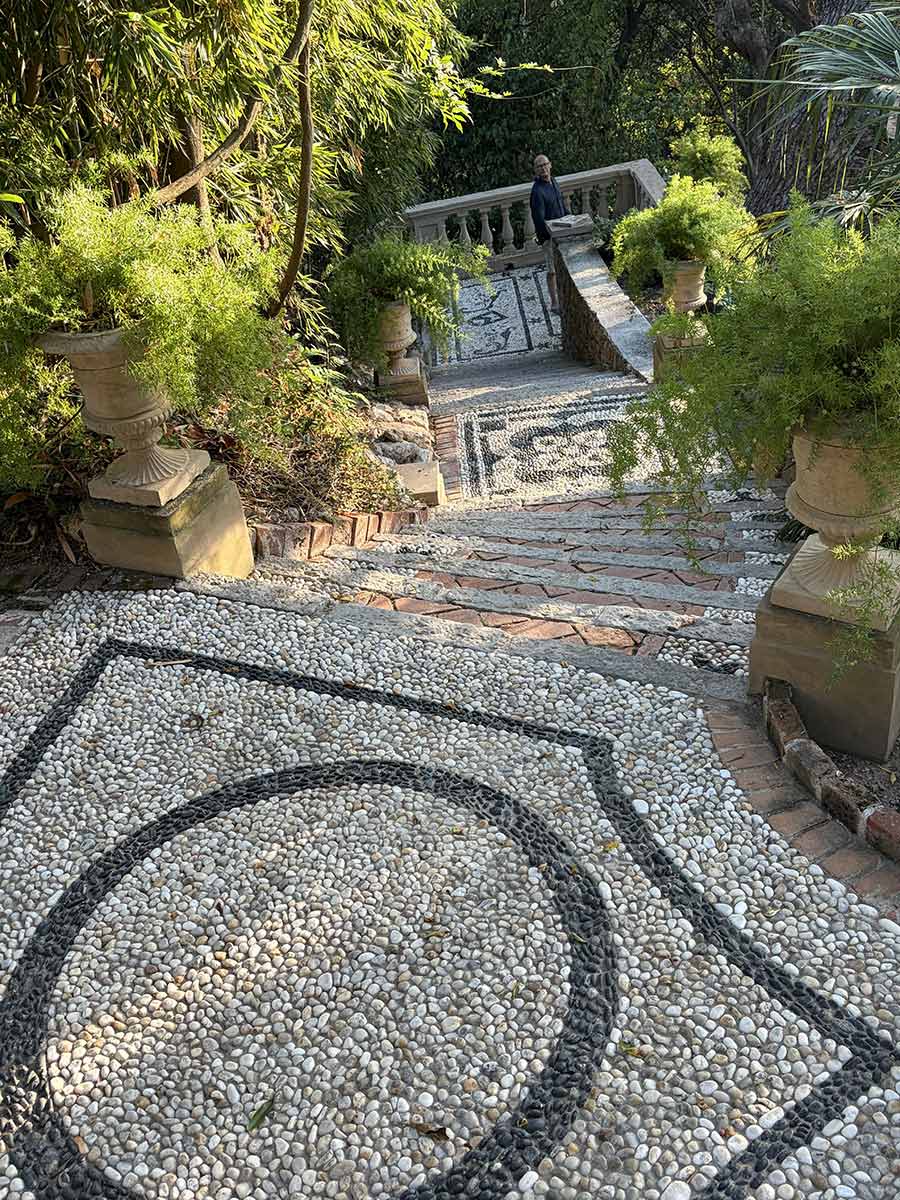
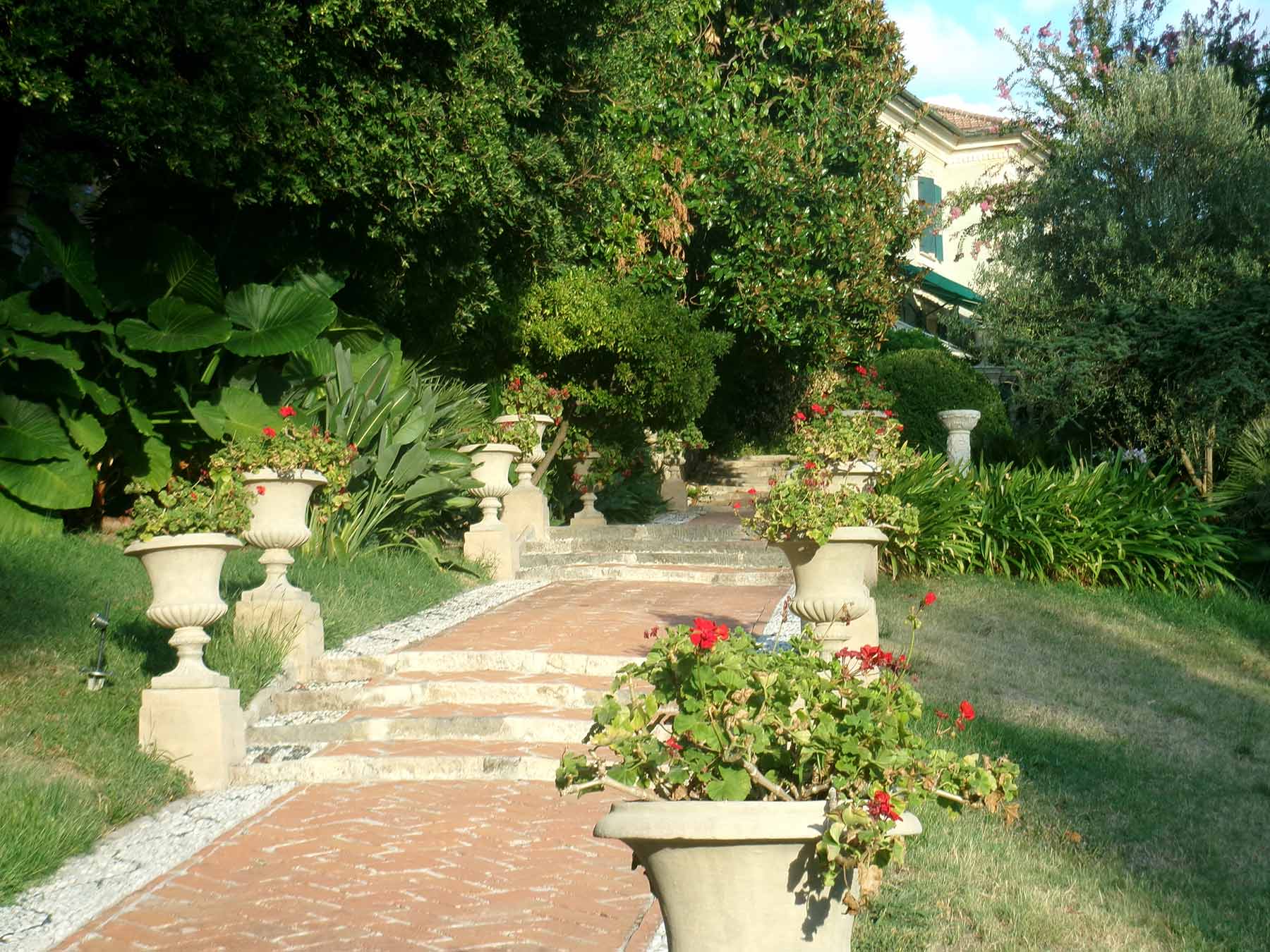
The more formal gardens immediately surrounding the villa gradually give way to wilder, less structured spaces. Stairways, fountains, wisteria-covered pergolas and winding paths reveal themselves one by one, as the visitor wanders through the grounds.
It is precisely this interplay that gives Villa Rezzola's garden its distinctive charm: the Italian sense of order, expressed through terraces, balustrades and carefully framed vistas, softened by a more romantic English sensibility.
Throughout, the Mediterranean provides a magnificent backdrop.
In some places, the sea is barely visible between the trees; in others, a terrace or an opening in the foliage suddenly reveals the full expanse of the gulf.
In 1935, the Cochranes sold the estate to Countess Mara Braida Carnevale.
The Second World War brought the villa's peaceful existence to an abrupt halt. Requisitioned by the military, it served first as headquarters for Italian forces and later for German command. Among those stationed there was Rudolf Jacobs, a German naval captain who eventually deserted to join the Italian Resistance and was killed fighting alongside the partisans near Sarzana.
After the war, Mara Carnevale, affectionately known as Pupa, devoted much of her life to preserving the estate and, above all, enriching its garden. A passionate botanist, she continued the work begun by the Cochranes, introducing new species and tending a landscape that, over the decades, had grown into an extraordinary plant collection.
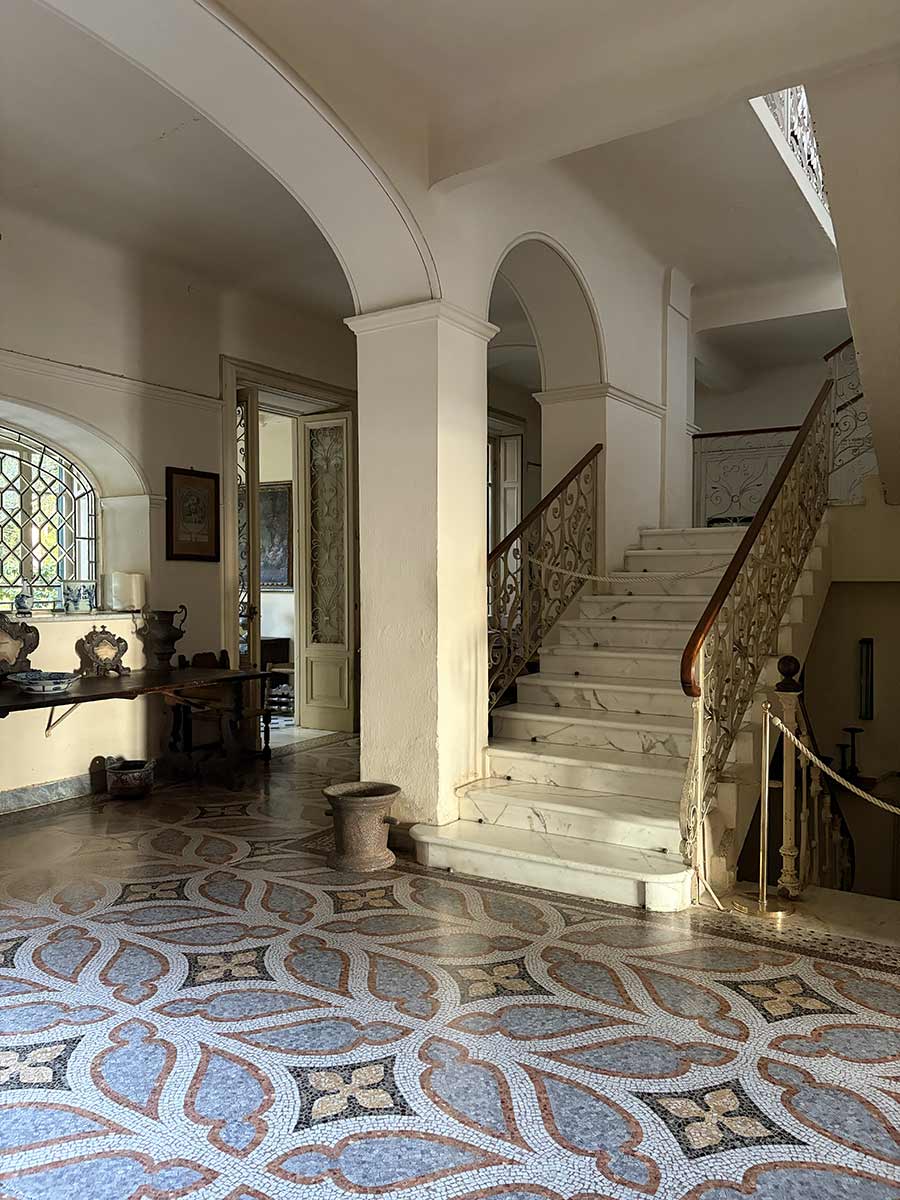
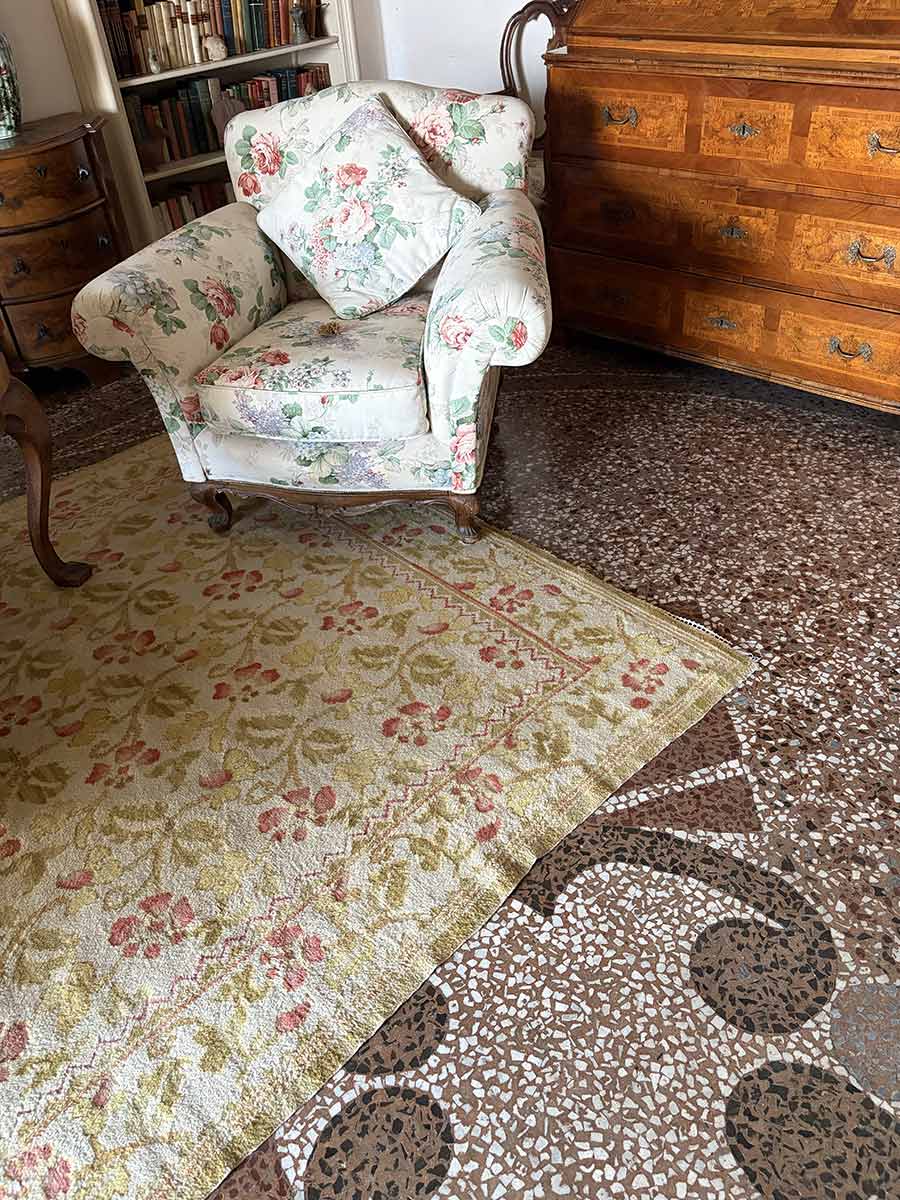
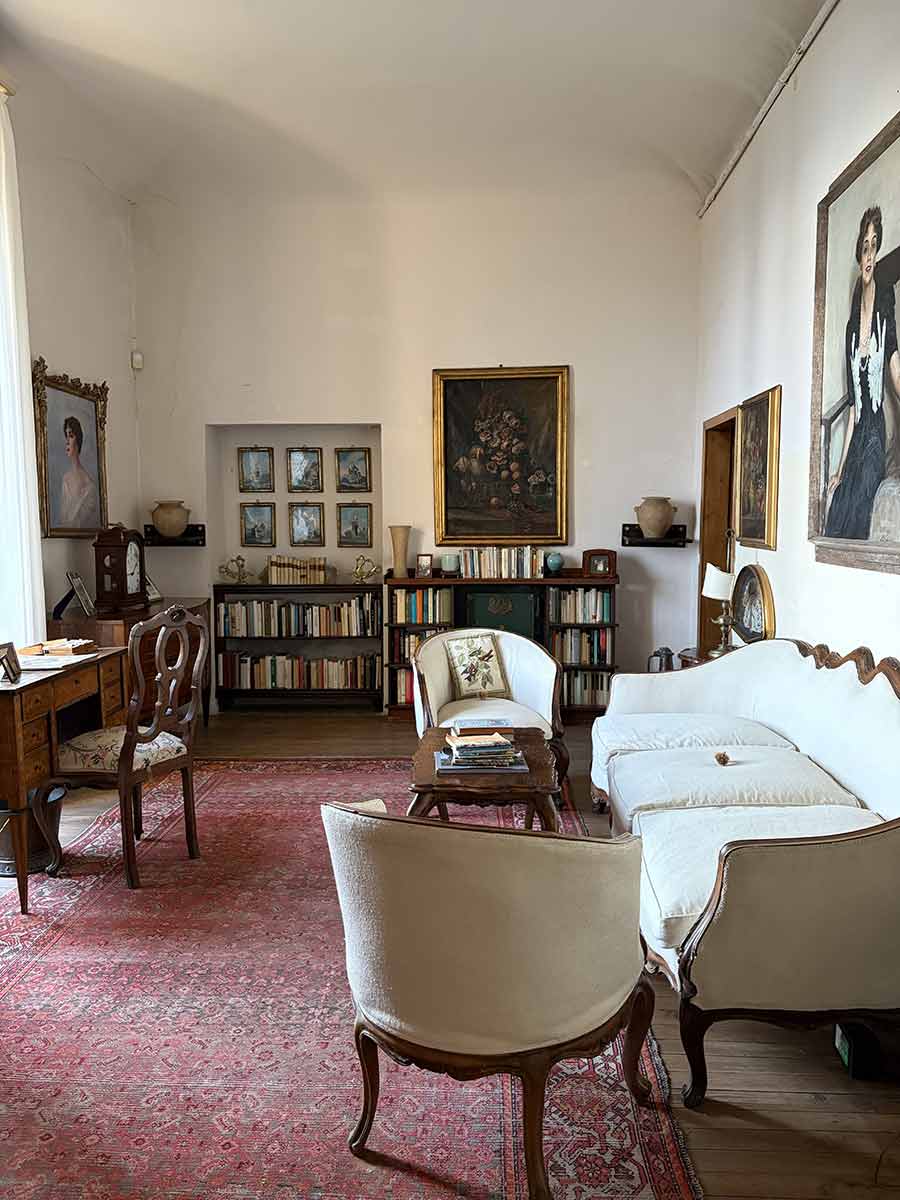
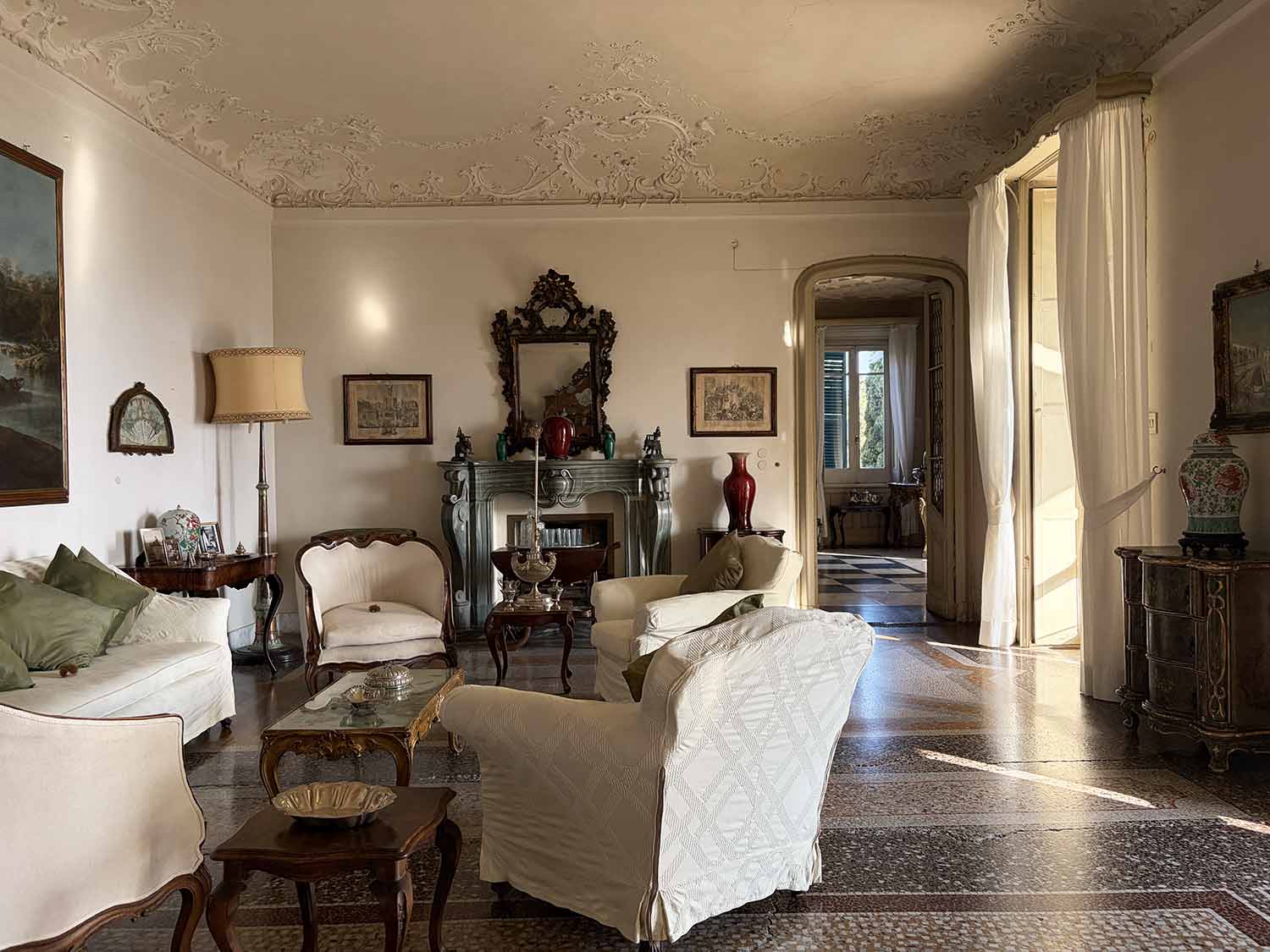
Despite its size, Villa Rezzola retains the intimate atmosphere of a family home.
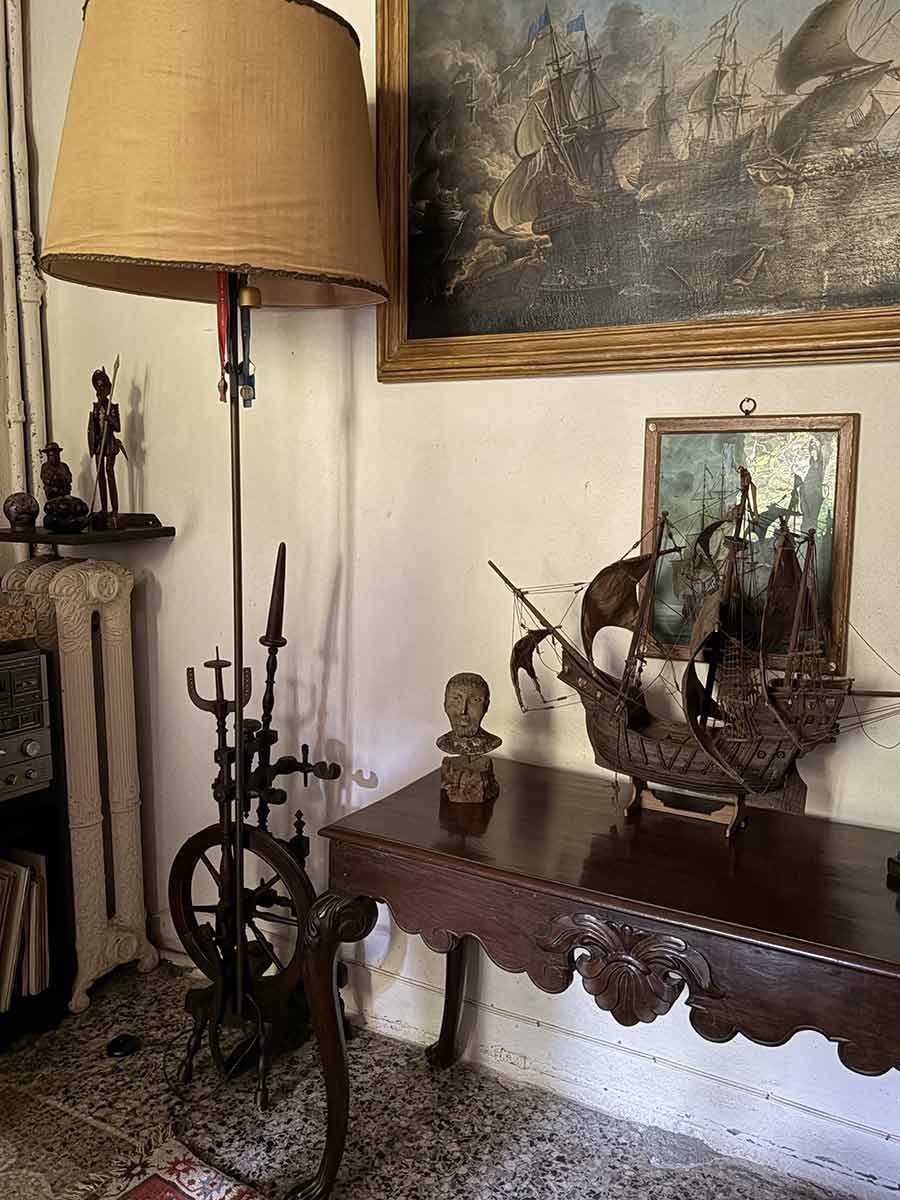
The furniture, books, objects and fabrics still seem to tell the stories of those who once lived here. Among the most remarkable pieces is a spinning wheel, a symbol of India's struggle for independence, presented to Mara Braida Carnevale by Mahatma Gandhi.
Following her death, Maria Adele Carnevale Miniati bequeathed Villa Rezzola to the FAI, marking the beginning of an extensive restoration project.
The garden required a particularly sensitive approach: restoring without erasing, recovering the original design while preserving its character.
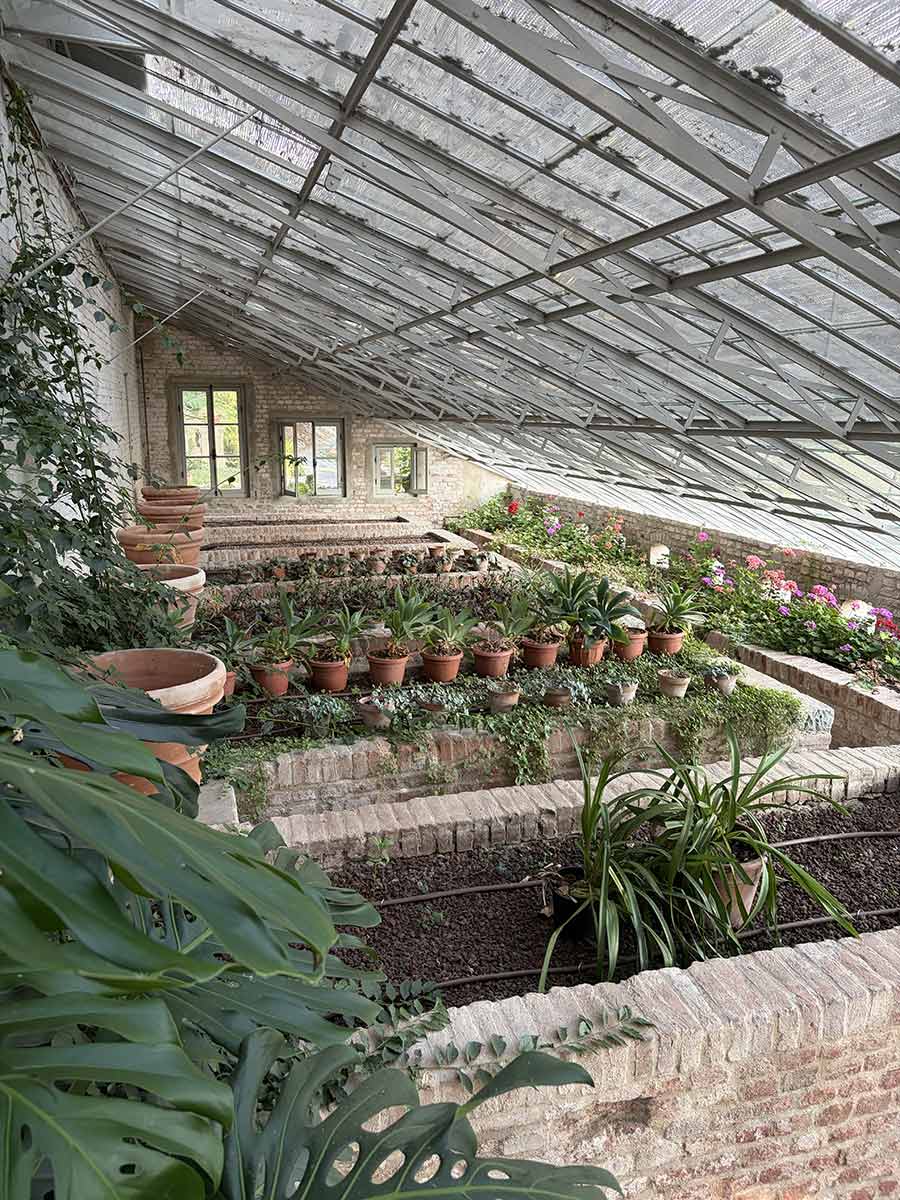
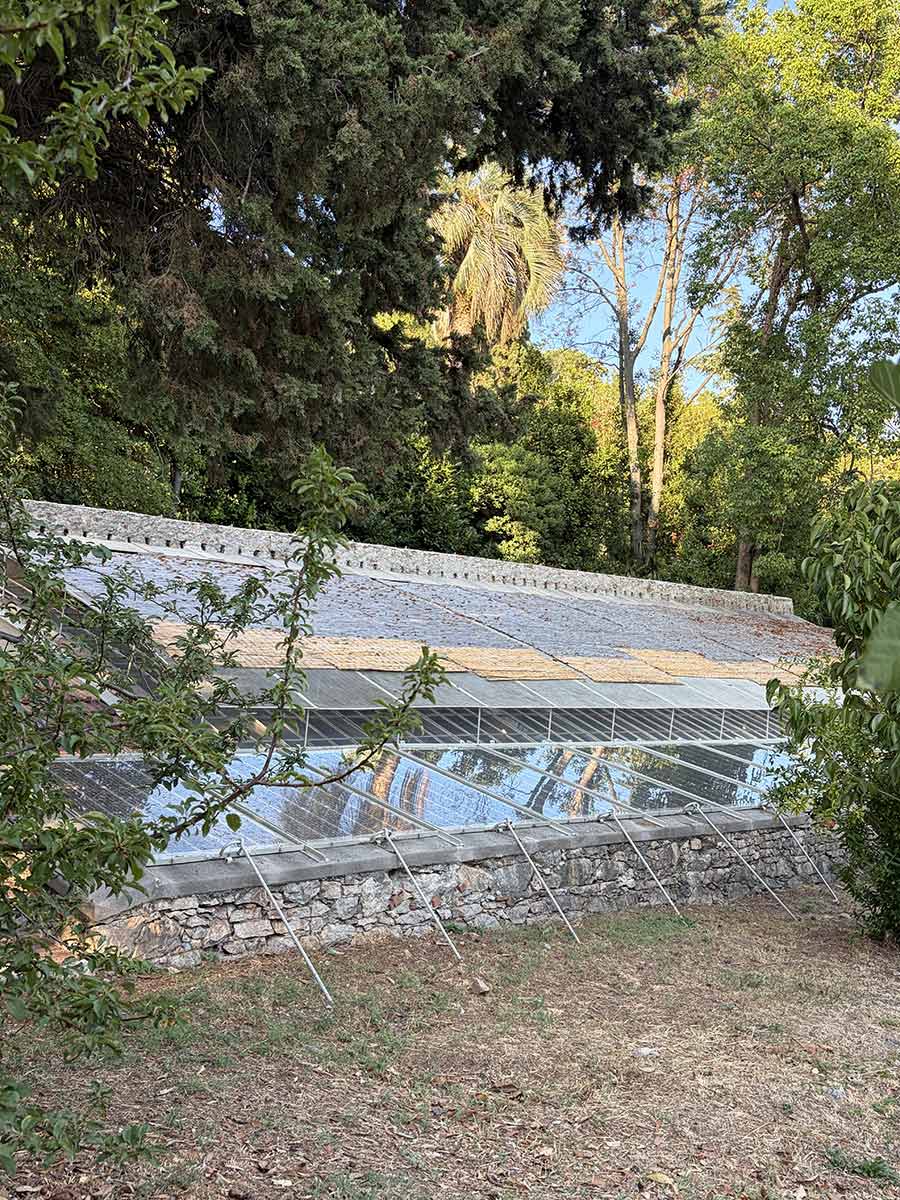
Over the course of two years, the FAI's teams have restored pergolas, stairways and balustrades, revived the historic water system, reopened long-obscured views and carefully rebalanced the planting. Among the improvements is the discreet installation of solar panels, seamlessly integrated into the greenhouse roof.
Today, Villa Rezzola remains a testament to the many chapters of its history, from its Ligurian origins and the distinctly British influence of the Cochranes to Pupa Miniati’s passion for botany and the FAI’s careful restoration of the house and gardens.
Shop The Look
TWO-TIER VEIL SILK PENDANT by Bold and Panache
1,578.00€
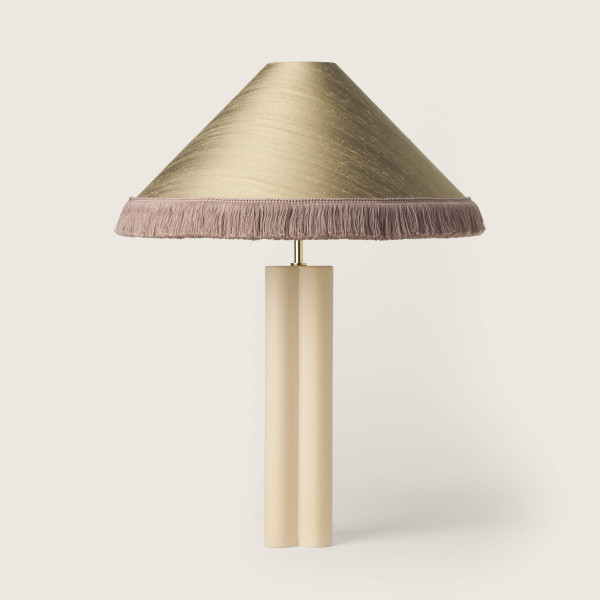
SILK SHADE TABLE LAMP WITH FRINGE by Bold and Panache